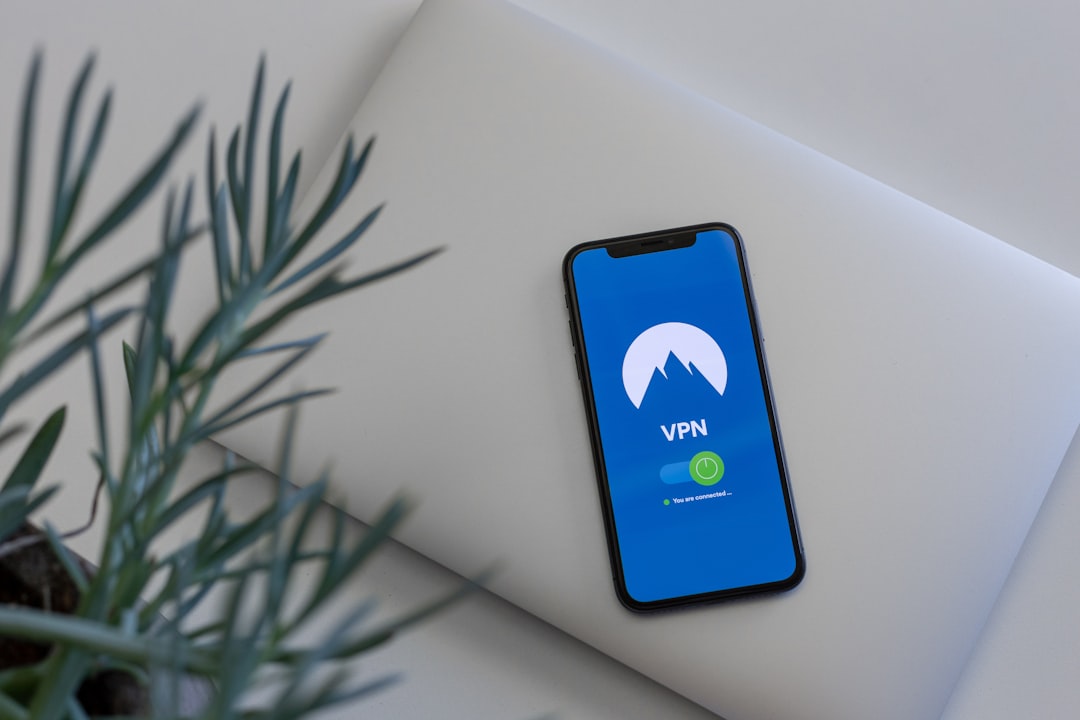
Why VPNs Improve Online Privacy and Anonymity
Every time you connect to the internet, your online activities leave digital footprints that can be tracked, logged, and analyzed by ISPs, advertisers, government agencies, and cybercriminals. Virtual Private Networks (VPNs) have become essential tools for improving online privacy and anonymity by encrypting your internet traffic and masking your digital identity. In this article, we'll explore exactly how VPNs enhance your privacy, what limitations to understand, and which privacy features matter most.
How VPNs Mask Your IP Address and Location
Your IP address functions like a digital home address, revealing your approximate geographic location and identifying your internet service provider. When you connect to a VPN, your traffic is routed through a remote server, replacing your real IP address with the VPN server's IP address. This process offers several privacy advantages:
- Websites and online services see the VPN server's IP instead of yours
- Your geographic location appears to be where the VPN server is located
- Tracking companies cannot easily link your browsing activities across different websites
- Your ISP can only see that you're connected to a VPN, not which websites you visit
This IP masking significantly reduces the ability of third parties to build detailed profiles of your online behavior, though it doesn't make you completely invisible online.
Encryption: The Core of VPN Privacy Protection
Encryption is the fundamental technology that makes VPNs effective privacy tools. When you enable a VPN, it creates an encrypted tunnel between your device and the VPN server, scrambling your data so that even if intercepted, it remains unreadable. Modern VPNs typically use AES-256 encryption, the same standard trusted by governments and financial institutions worldwide.
Here's what VPN encryption protects:
| Data Type | Without VPN | With VPN |
|---|---|---|
| Browsing History | Visible to ISP | Hidden from ISP |
| Passwords on Public Wi-Fi | Vulnerable to Interception | Encrypted and Protected |
| DNS Queries | Logged by ISP | Routed Through VPN |
| Online Banking Data | Exposed on Unsecured Networks | Additional Encryption Layer |
This encryption is particularly crucial when using public Wi-Fi networks in cafes, airports, or hotels, where cybercriminals frequently attempt to intercept unencrypted data.
Understanding VPN Privacy Limitations
While VPNs significantly improve privacy and anonymity, it's important to understand their limitations. VPNs are not magic invisibility cloaks and won't make you completely anonymous online. If you're logged into accounts like Google, Facebook, or Amazon, those companies can still track your activities regardless of VPN use.
Additionally, VPNs cannot protect you from:
- Malware, viruses, or phishing attacks targeting your device directly
- Browser fingerprinting techniques that identify you based on device characteristics
- Tracking cookies already stored in your browser before VPN activation
- Legal obligations of VPN providers to comply with valid law enforcement requests
Your VPN provider also has the technical ability to see your traffic, which is why choosing a reputable provider with a verified no-logs policy is critical for privacy-conscious users.
Essential Privacy Features to Look For
Not all VPNs offer equal privacy protection. When selecting a VPN for privacy and anonymity purposes, prioritize these essential features:
- No-logs policy: Verified policies that confirm the provider doesn't store your browsing history, connection times, or IP addresses
- Kill switch: Automatically blocks internet traffic if the VPN connection drops, preventing accidental data exposure
- DNS leak protection: Ensures DNS queries go through the VPN tunnel rather than your ISP
- Strong encryption protocols: OpenVPN, WireGuard, or IKEv2 with AES-256 encryption
- Independent audits: Third-party security audits that verify privacy claims
These features work together to create multiple layers of privacy protection, significantly reducing your digital exposure compared to browsing without a VPN.
Conclusion
VPNs are powerful tools for improving online privacy and anonymity by encrypting your internet traffic, hiding your IP address, and preventing ISPs and third parties from monitoring your activities. While they don't provide absolute anonymity, they offer practical privacy enhancements that matter for everyday internet users, remote workers, and privacy-conscious individuals. Choose a reputable VPN with verified no-logs policies, strong encryption, and essential privacy features to maximize your online privacy protection.